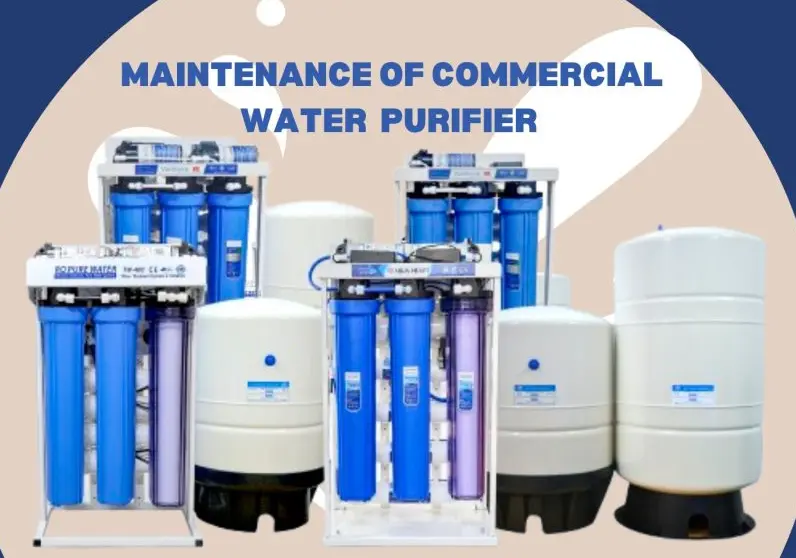
Clean and safe drinking water is a fundamental requirement in every workplace, whether it’s an office, hospital, school, or manufacturing unit. In Bangladesh, where water quality often varies across regions due to high TDS levels or localized contamination, maintaining a commercial water purifier is not just about compliance. It’s about protecting people and ensuring business continuity.
A well-maintained water purifier guarantees steady performance, preserves water quality, and helps reduce long-term operational costs. Here’s what every business in Bangladesh should know about effective maintenance of commercial water purifiers.
Understanding Maintenance Beyond Filter Changes
Many assume that water purifier maintenance begins and ends with filter replacement. In reality, it covers a broader scope including performance checks, sanitization, electrical inspections, and monitoring the system for early signs of wear.
Regular maintenance helps your purifier function efficiently, delivers safe drinking water, and extends the system’s overall lifespan. Skipping these steps can lead to water contamination, system breakdowns, or costly repairs.
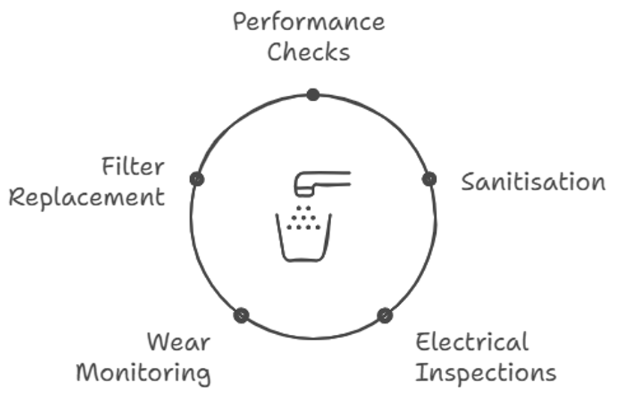
Maintenance Practices Businesses Should Follow
1. Timely Filter Replacement
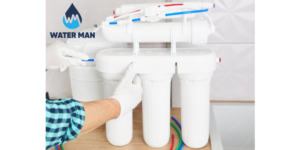
Every commercial purifier has several filtration stages, including pre-filters, activated carbon filters, and RO membranes. These components wear out over time and lose effectiveness. In Bangladesh, where water quality can fluctuate seasonally or by region, replacing filters every 6 to 12 months is generally recommended.
Following manufacturer guidelines ensures that the purifier continues to deliver clean water and doesn’t put additional strain on the system.
2. Regular Tank Cleaning
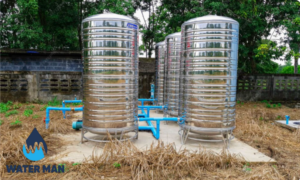
Water storage tanks, if not cleaned periodically, can become breeding grounds for bacteria and mold. In high-humidity areas like Dhaka, Chattogram, or Khulna, this is a common issue. It’s advisable to clean and sanitize storage tanks every 3 to 6 months using safe, approved methods.
3. Leak and Pressure Monitoring
A sudden drop in water pressure, visible leaks, or slow dispensing could signal internal issues. Such as clogged filters, damaged pipes, or pump faults. Regular inspection can help detect such issues early and avoid more serious damage.
4. Electrical Component Checks
Most commercial water purifiers feature components like booster pumps, UV lamps, solenoid valves, or digital sensors. These should be tested and inspected during routine checks to avoid power failures or system downtime, especially in settings where uptime is critical. Like hospitals or food service establishments.
5. Use of Genuine Spare Parts
Using non-certified or low-grade parts can severely affect the performance and safety of the purifier. Always choose manufacturer-approved or certified components, particularly for high-capacity commercial units. In the long run, this prevents damage and ensures consistency in output water quality.
What to Check During Routine Inspections
Not all maintenance tasks need to be technical. Your team can carry out simple checks regularly. For example, if the water flow slows down, or if there are leaks or unusual noises, these may be early signs of internal problems like clogged filters, blocked pipes, or motor issues.
Also, most commercial purifiers come with UV lamps, pumps, and digital sensors. These parts should be checked during servicing. If they fail without notice, the purifier may stop working or give untreated water.
To help avoid this, it’s smart to observe:
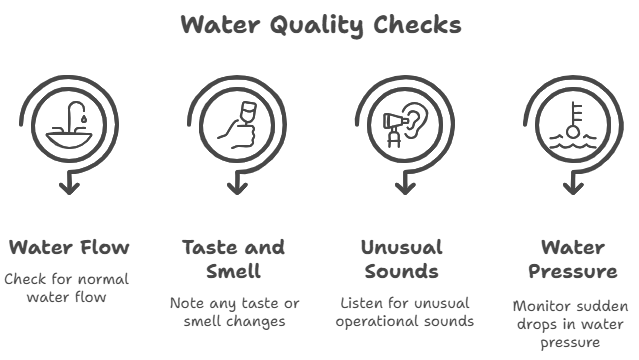
- Whether water flow is normal
- Any changes in taste or smell
- Unusual sounds during operation
- Water pressure dropping suddenly
These are all signs that your purifier might need attention.
Professional Servicing: Why It’s Necessary
While basic checks can be performed in-house, commercial-grade water purifiers require professional servicing at regular intervals. In Bangladesh, it’s recommended to schedule a full service every 3 to 6 months, depending on water usage and local supply conditions.
Sectors with high water demand, like healthcare, textile, or hospitality benefit greatly from routine service appointments, which include system diagnostics, part replacements, and cleaning protocols that extend the equipment’s lifespan.
Keep a Maintenance Log
For larger businesses or institutions, keeping a maintenance record is very helpful. Whether it’s a physical logbook or a digital file, you should note down:
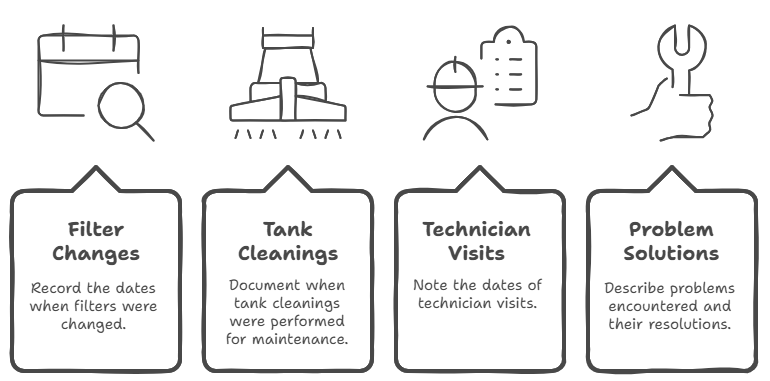
- Dates of filter changes
- Tank cleanings
- Technician visits
- Any problems and how they were solved
This helps your team stay organized and makes future servicing easier. It also shows responsibility during audits or inspections.
Extra Tips to Keep Your Purifier Running Smoothly
Try to test your water’s TDS level every few months. If your purifier hasn’t been used for a few days, run it for a few minutes to flush out old water. Also, train your staff to report any changes in water quality or system behavior.
Placing the purifier in a dry, clean location also helps prevent rust and damage to electrical parts.
Final Though
For any business in Bangladesh, keeping a commercial water purifier well-maintained is important for both safety and daily operations. Clean water supports your team and helps avoid disruptions.
Regular water purifier service can catch issues early and keep the system running properly. If the purifier starts showing signs of trouble, arranging water purifier repair and service quickly can prevent bigger problems.
Working with a trusted provider like WaterMan BD means you get expert help, genuine parts, and service that fits your water needs. This keeps your purifier reliable and your water safe over time.