Building Water Tank plays an important role in storing and supplying water to apartments, offices, commercial buildings, hospitals, schools and other facilities. However, even when the incoming water supply is treated or appears clean, its quality can change during storage.
Dust, insects, microorganisms, accumulated sediment, damaged tank covers and poorly maintained plumbing can create opportunities for contamination. Over time, these problems may affect the water delivered to kitchens, bathrooms, drinking-water points and other areas of a building.
Many building owners and property managers focus on the quality of the incoming water supply but overlook what happens after it enters the storage tank. This is an important gap because drinking-water safety depends not only on the source but also on proper storage, distribution and maintenance.
Understanding how water tanks affect water quality can help building owners identify potential risks and take appropriate steps to maintain a safer water supply.
Why Your Building’s Water Tank Matters
Most multi-storey buildings in Bangladesh depend on underground reservoirs, overhead tanks or a combination of both to maintain a regular water supply.
Water may enter an underground tank from a municipal supply, deep tube well or another source. Pumps then transfer it to an overhead tank, from where it is distributed through the building’s internal plumbing network.
During this process, water passes through several storage and distribution points before reaching the user.
If any part of this system is poorly maintained, the water may become contaminated even if its original source was acceptable.
According to the World Health Organization’s guidance on drinking-water storage tanks, storage tanks should be properly covered, protected from contamination, accessible for cleaning and maintained with appropriate inspection and water-quality monitoring.
This means that a building’s water storage system should be considered an important part of its overall drinking-water safety management.
How a Water Tank Can Affect Drinking Water Quality
Water tanks are designed to store water safely, but poor design, damage and inadequate maintenance can create contamination risks.
Some common causes include:
1. Accumulated Dirt and Sediment
Over time, sand, rust particles, suspended solids and other materials may settle at the bottom of a storage tank.
These deposits can accumulate when incoming water contains suspended particles or when the tank is not cleaned and inspected regularly.
When water enters or leaves the tank, accumulated sediment may become disturbed and mix with the stored water.
This can result in cloudy water, visible particles or unwanted deposits in taps, pipes and plumbing fixtures.
2. Microbial Contamination
A poorly maintained water tank may create conditions that allow microorganisms to enter or persist in stored water.
Potential sources include contaminated incoming water, dirty tank surfaces, open inspection covers, insects, animals and unhygienic maintenance practices.
Microbial contamination cannot always be identified by colour, smell or taste. Water that looks perfectly clear may still require testing to assess its microbiological quality.
3. Open or Damaged Tank Covers
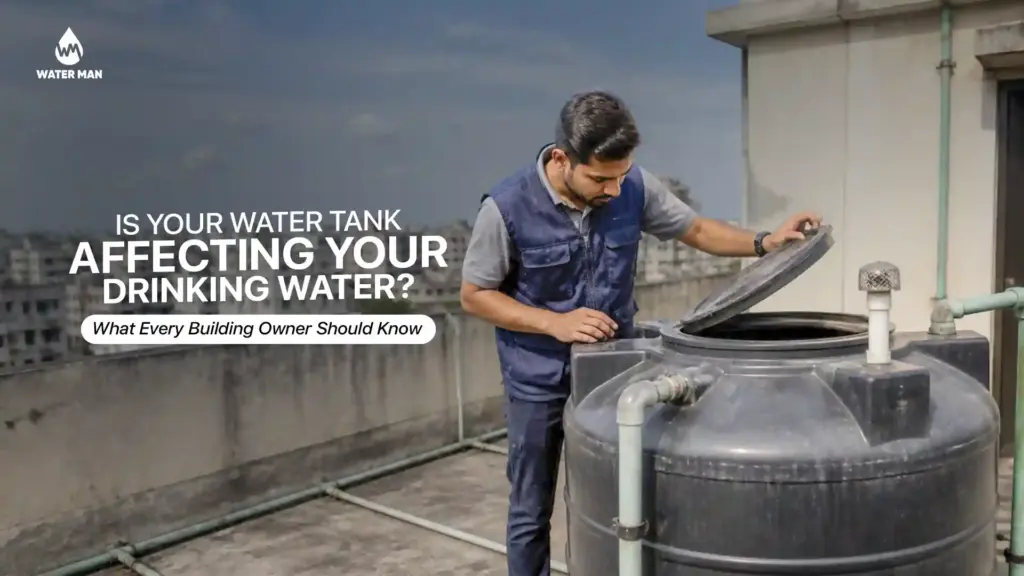
An overhead or underground tank without a properly fitted cover can allow dust, insects, leaves and other external contaminants to enter.
Damaged inspection hatches, uncovered openings and unprotected ventilation or overflow pipes can also create entry points.
4. Algae and Biofilm Formation
When tanks are exposed to sunlight, certain conditions may encourage algae growth.
Biofilms may also develop on internal surfaces of tanks and plumbing systems. These are layers of microorganisms and associated material attached to surfaces.
Poor cleaning practices, unsuitable storage conditions and inadequate system maintenance can contribute to these problems.
5. Corrosion and Damaged Plumbing
Water quality can also be affected by the condition of the tank and connected pipelines.
Corroded metal components, damaged fittings, leaking connections and unsuitable materials may introduce unwanted substances or create opportunities for contamination.
The risk depends on the material, water chemistry and condition of the plumbing system.
Warning Signs That Your Building’s Water Tank Needs Attention
Some water-quality problems can be noticed through changes in the water or the condition of the storage system.
Building owners, caretakers and facility managers should pay attention to the following signs:
- Cloudy or Discoloured Water: Water appears yellowish, brownish or visibly cloudy.
- Unusual Smell: Water develops an unpleasant or unusual odour.
- Visible Particles: Sand, rust, sediment or other particles appear in collected water.
- Deposits Around Taps: Unusual deposits or stains repeatedly appear around taps and plumbing fixtures.
- Dirty Tank Interior: Sediment, slime-like deposits or visible contamination are found during inspection.
- Damaged Tank Cover: The tank lid, inspection hatch or protective mesh is missing or damaged.
- Recurring Water-Quality Problems: The same issue continues even after cleaning taps or replacing household filters.
These signs indicate that the water storage and distribution system should be inspected. However, their absence does not guarantee that the water is safe to drink. Laboratory testing is necessary to identify contaminants that cannot be detected visually.
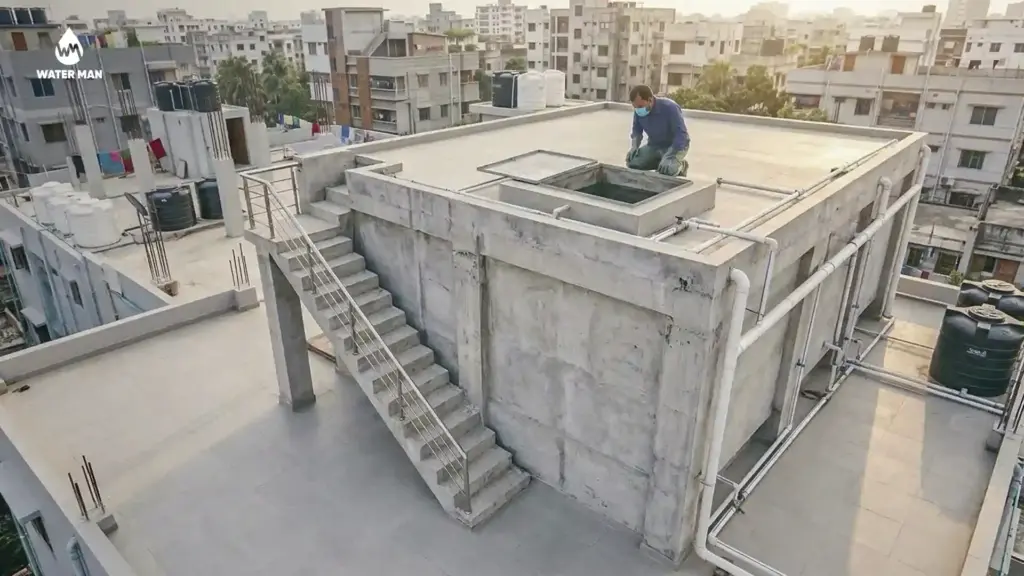
Underground Tank vs Overhead Tank: Where Can Problems Occur?
Many buildings use both underground and overhead water storage systems. Each has different maintenance considerations.
Underground Water Tank
Underground tanks commonly receive water from the main supply or groundwater source before it is pumped to the upper floors.
Potential concerns include:
- Entry of contaminated groundwater through cracks or damaged structures.
- Ingress of dust, insects or other contaminants through poorly sealed access covers.
- Accumulation of sediment at the bottom.
- Water entering from nearby drainage or contaminated areas if the tank structure is compromised.
Proper structural condition, secure covers, drainage and routine inspection are important for reducing these risks.
Overhead Water Tank
Overhead tanks supply water to different floors through gravity or connected pumping arrangements.
Common concerns include:
- Exposure to sunlight through unsuitable or damaged covers.
- Entry of dust, insects and other external contaminants.
- Sediment accumulation.
- Poorly protected overflow pipes and ventilation openings.
- Inadequate cleaning and inspection.
Both types of tanks require appropriate maintenance. Cleaning only the overhead tank while ignoring the underground reservoir may leave part of the water storage system unaddressed.
How Often Should a Building Water Tank Be Cleaned?
There is no single cleaning interval that is suitable for every building and every water tank.
The appropriate frequency depends on several factors, including:
- Incoming water quality.
- Tank capacity and construction.
- Number of people using the building.
- Sediment accumulation.
- Tank design and accessibility.
- Previous contamination incidents.
- Results of periodic inspection and water testing.
Building owners should establish a regular inspection and cleaning schedule based on these conditions and applicable local requirements.
The WHO sanitary inspection guidance for water storage identifies risks such as sediment build-up, inadequate tank covers, damaged inspection hatches and unprotected overflow pipes. It also recommends appropriate cleaning, disinfection and corrective action when contamination risks are identified.
Cleaning and disinfection should be carried out using suitable procedures by trained personnel. Simply draining a tank and removing visible dirt may not be enough when disinfection is required.
How to Maintain Better Water Quality in a Building
Maintaining drinking-water quality requires attention to the complete storage and distribution system—not just the tank itself.
Here are some practical measures:
1. Keep the Tank Properly Covered
Ensure that the tank has a secure, properly fitted cover. Inspection openings should remain closed when not in use.
2. Protect Inlet, Outlet and Overflow Connections
Inspect pipes, vents and overflow openings. Suitable protective mesh can help prevent insects and other unwanted materials from entering through openings.
3. Inspect the Tank Regularly
Check for cracks, leakage, corrosion, sediment accumulation and damaged internal surfaces.
4. Clean and Disinfect When Required
Use appropriate cleaning and disinfection procedures based on the tank condition and water-quality risks. Avoid using unapproved chemicals or relying on guesswork when deciding treatment quantities.
5. Maintain the Connected Plumbing
The tank is only one part of the system. Pumps, pipelines, valves and distribution connections should also be inspected and maintained.
6. Test the Water Quality
Water testing helps determine whether the stored and distributed water meets the requirements for its intended use.
Depending on the source and potential risks, testing may include:
- pH and turbidity.
- Total Dissolved Solids (TDS) and conductivity.
- Iron and manganese.
- Relevant chemical contaminants.
- Microbiological parameters, including E. coli where appropriate.
A TDS meter cannot detect bacteria or confirm microbiological safety. Similarly, clear-looking water is not proof that it is safe for drinking.
Can a Water Treatment System Solve Building Water Tank Problems?
A water treatment system can help improve water quality, but selecting the right technology requires understanding the actual contamination problem.
For example:
- Sediment Filtration: Helps remove suspended particles, sand and rust.
- Activated Carbon Filtration: Can reduce chlorine, certain organic compounds and unwanted odour or taste, depending on the media and system design.
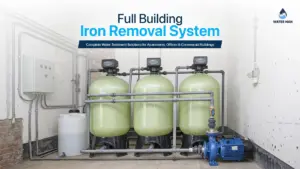
- Iron Removal System: Helps reduce excessive iron in water.
- Water Softener: Reduces calcium and magnesium hardness.
- Reverse Osmosis (RO): Reduces many dissolved salts and selected contaminants, depending on the membrane and system configuration.
- UV Disinfection: Helps inactivate susceptible microorganisms when the system is properly designed and operated. It does not remove dissolved chemical contaminants or provide residual protection throughout the plumbing network.
Not every building needs all these treatment stages. A building supplied with acceptable municipal water may need a different approach from one using groundwater with high iron, hardness or dissolved solids.
Most importantly, installing a filter at the building’s inlet does not replace tank cleaning, proper storage practices or post-treatment water testing.
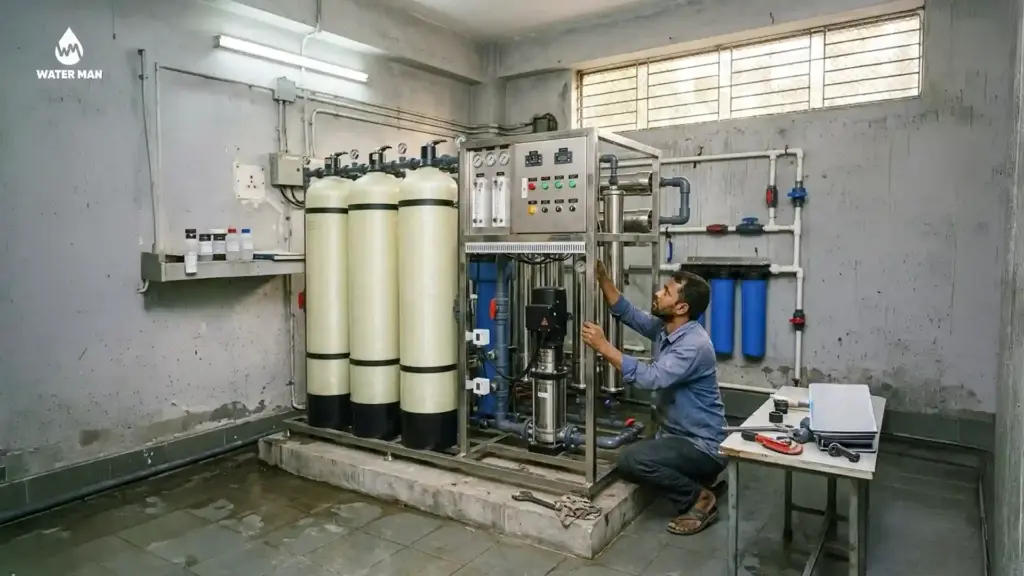
Choosing the Right Water Treatment Solution for Your Building
Before installing a treatment system, building owners and property managers should consider the following factors:
1. Identify the Water Source
Determine whether the building receives municipal water, groundwater or water from another source. The source helps identify which parameters should be investigated.
2. Understand the Actual Water-Quality Problem
Do not select a filter only because the water looks dirty or has an unusual smell. Test the water to identify whether the issue involves sediment, iron, hardness, dissolved salts, microorganisms or other contaminants.
3. Calculate Water Demand
The treatment system should be selected according to the building’s daily consumption, peak-hour demand, number of users and storage capacity.
4. Select Treatment Based on Requirements
A residential apartment building, commercial complex, hospital and office building may have different water requirements. The system should be designed around the intended use and the water analysis.
5. Consider Long-Term Maintenance
Filter replacement, membrane servicing, cleaning, electricity consumption and periodic water testing should be considered before selecting a system.
A suitable treatment solution should be practical to operate and maintain over the long term.
Conclusion: Safe Drinking Water Starts with Proper Storage and Treatment
A building’s drinking-water quality does not depend only on where the water comes from. It also depends on how the water is stored, protected, distributed and maintained before reaching the user.
An uncovered tank, accumulated sediment, damaged pipelines or inadequate maintenance can create avoidable water-quality risks. These problems may affect apartments, offices, commercial buildings, hospitals, schools and other facilities.
For building owners and property managers, the right approach is to inspect the complete water storage system, test the water when necessary and select treatment based on the actual requirements.
WM (Waterman BD) provides water treatment and filtration solutions for different applications. Whether a building requires sediment filtration, iron removal, water softening, RO treatment or a customized water treatment plant, the appropriate configuration should be determined through water analysis, capacity requirements and the intended use.
If you are concerned about the quality of water supplied to your building, reviewing the tank condition and testing the water are sensible first steps.
Contact Waterman BD to discuss your building’s water quality and identify a suitable water treatment solution.
Frequently Asked Questions (FAQs)
1. Can a clean water supply become contaminated inside a building’s water tank?
Yes. Contaminants can enter during storage through open covers, damaged inspection hatches, unprotected openings or poorly maintained connections. Sediment can also accumulate inside the tank.
2. Does an overhead water tank need regular cleaning?
Yes. Overhead tanks should be inspected and cleaned when necessary according to their condition, incoming water quality and applicable maintenance requirements. The cleaning schedule should be based on actual risk rather than an assumed universal interval.
3. Is clear water from a building tank safe to drink?
Not necessarily. Some microorganisms and dissolved chemical contaminants cannot be detected by sight, smell or taste. Appropriate water testing is needed to assess drinking-water safety.
4. Can a water filter solve all problems caused by a dirty tank?
No. A water filter may reduce specific contaminants, but it cannot replace proper tank cleaning, disinfection when required, secure covers and maintenance of the plumbing system.
5. Should an apartment building install a central water treatment plant?
It depends on the incoming water quality, number of users, daily demand and intended use. A central treatment system may be appropriate for some buildings, while others may require a more limited filtration arrangement.
6. Which water tests are important for a building’s drinking water?
The required tests depend on the water source and potential contamination risks. Common parameters include pH, turbidity, TDS, iron, hardness and relevant microbiological indicators such as E. coli. Additional chemical tests may be necessary depending on the source.