Water is one of the lifelines of industrial operations in Bangladesh. Yet, many industries are quietly facing a challenge that often goes unnoticed: hard water. Rich in minerals like calcium and magnesium, hard water can create costly problems, from equipment damage to production delays. For industries aiming to maximise equipment lifespan, reduce maintenance costs, and ensure product quality, soft water treatment is not just an option; it’s a necessity. In this blog, we dive into how soft water treatment benefits industries in Bangladesh and why investing in it can be a smart move for long-term success.
What is Hard Water and Why It’s a Problem for Industries
Hard water is water that contains high concentrations of calcium and magnesium ions, which can cause major problems for industrial operations.
While not harmful to health, these minerals create serious challenges in industrial settings. Over time, hard water leads to:
- Scaling: Mineral deposits build up inside boilers, pipes, and machinery.
- Corrosion: Hard water accelerates metal surface damage.
- Reduced Efficiency: Scaling reduces heat transfer in boilers, leading to higher energy consumption.
- Frequent Maintenance: Systems dealing with hard water often need more repairs and replacements.
For industries where equipment uptime and consistent output are critical, these problems can be highly disruptive.
What is Soft Water Treatment?
Soft water treatment is the process of removing hardness-causing minerals like calcium and magnesium from water.
Common methods for softening water include:
- Ion Exchange: Replaces calcium and magnesium ions with sodium ions.
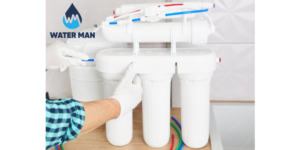
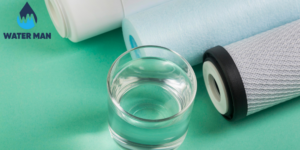
- Filtration: Physically removes minerals and impurities through advanced filter systems.
- Reverse Osmosis: Forces water through a membrane to remove dissolved minerals (ideal for industries needing extremely pure water).
Softened water ensures more reliable industrial systems, reduces energy consumption, and minimizes the need for frequent maintenance.
Core Benefits of Soft Water Treatment for Industries
Soft water treatment offers numerous advantages for industries, from increasing equipment lifespan to improving energy efficiency and ensuring high product quality. Here are some key benefits:
1. Improves Equipment Longevity
Soft water minimises scale buildup and corrosion, allowing equipment like boilers, heat exchangers, and cooling towers to last longer.
2. Enhances Production Efficiency
With fewer interruptions from blockages or equipment breakdowns, production processes become smoother and more predictable.
3. Reduces Energy Costs
Clean, scale-free equipment operates at optimal energy levels. Industries can see notable reductions in electricity or gas usage.
4. Lowers Maintenance and Repair Costs
Reduced wear and tear means fewer breakdowns, less downtime, and lower maintenance expenses.
5. Protects Product Quality
For industries like pharmaceuticals, textiles, and food and beverage, consistent water quality is crucial for maintaining high product standards.
6. Meets Compliance Standards
Industries exporting products or working with regulated sectors must adhere to strict water quality standards. Soft water treatment supports compliance.
Industries That Benefit Most from Soft Water Treatment
Soft water treatment helps improve product quality, reduce equipment wear, and lower maintenance costs across various industries reliant on water for production processes.
- Textile and Garment Industry
In Bangladesh’s textile sector, hard water can ruin fabric quality during dyeing and washing. Soft water ensures vibrant colours, consistent texture, and reduced fabric damage.
- Food and Beverage Industry
Water purity directly impacts taste and safety. Soft water prevents mineral contamination and extends the life of processing equipment.
- Pharmaceutical Industry
Medicine manufacturing demands ultrapure water. Soft water treatment ensures minimal contamination risks and compliance with strict quality guidelines.
- Power Plants
Boilers and cooling towers function better with soft water, leading to reduced scaling and improved energy use.
- Paper and Pulp Industry
Soft water helps maintain equipment cleanliness and contributes to smoother production processes.
Key Signs Your Industry Needs Soft Water Treatment
- Persistent scaling on pipes and boilers
- Frequent machinery breakdowns
- Rising maintenance costs
- Increased energy bills
- Inconsistent product quality
Recognising these signs early can help industries take proactive steps before bigger issues arise.
Choosing the Right Soft Water Treatment System
Choosing a treatment solution depends on several factors:
- Water Quality Analysis: Start with professional testing to understand hardness levels.
- Scale of Operation: Small factories may need compact systems, while large plants require industrial-grade units.
- Maintenance Requirements: Choose systems that offer easy maintenance and local support.
- Expert Installation: Proper installation ensures the system works efficiently from the start.
Partnering with a provider familiar with industrial needs in Bangladesh can make the process smoother and more effective.
Final Thought
For industries in Bangladesh, soft water treatment is a critical step toward ensuring operational reliability, cost efficiency, and product integrity. Hard water can quietly shorten the lifespan of machinery, raise energy consumption, and compromise production quality.
By implementing the right solutions, such as the soft water treatment benefits offered by WaterMan BD, industries can minimize hidden risks, improve compliance with industry standards, and maintain consistent output even under demanding conditions. Investing in soft water treatment today ensures smoother operations and supports long-term business resilience and growth.