You might not think about where the water goes after a shower, washing dishes, or flushing the toilet. Out of sight, out of mind – right?
But in many places across Bangladesh, that same dirty water ends up in rivers, canals, and ponds. And over time, those water sources start to change. The smell gets worse. Fish start disappearing. Kids get sick. The same water that once gave life starts silently harming the very communities that depend on it.
This is not just a rural problem or something happening far away. It’s unfolding in cities, towns, and villages all around us. The real issue? We’re producing more wastewater than ever before, but treating only a small part of it.
That’s where the sewage treatment plant comes in. It might not sound exciting, but it’s one of the most important systems for protecting clean water in Bangladesh. Without it, the water crisis gets worse. With it, we have a fighting chance.
In this blog, we’re going to walk through how these treatment plants work, why they matter in the Bangladeshi context, and what happens if we ignore them. Stay with us, you’ll see why this matters more than you think.
What Are Sewage Treatment Plants?
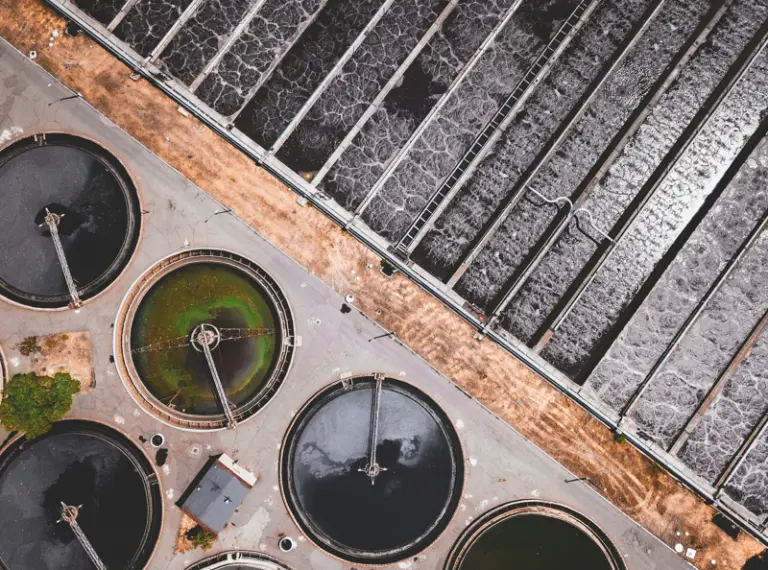
A sewage treatment plant (STP) is a system designed to remove contaminants from wastewater. Primarily household and industrial sewage, to make the water safe for reuse or discharge into the environment. These facilities help ensure that the water we return to rivers, lakes, or groundwater systems doesn’t pose risks to health or the ecosystem.
How Does a Sewage Treatment Plant Work?
Sewage treatment typically involves three major stages:
1. Primary Treatment
In the first stage, wastewater enters large tanks where solids such as sand, grease, sludge, and floating matter are separated. Heavier materials settle at the bottom, forming sludge, while lighter waste rises to the top for removal. This step is mainly mechanical.
2. Secondary Treatment
This stage uses biological processes to break down organic matter in the wastewater. Aerobic bacteria are introduced to consume waste materials, reducing harmful substances and foul odour. This step significantly lowers the Biological Oxygen Demand (BOD), making the water less harmful to aquatic life.
3. Tertiary Treatment
In the final stage, advanced chemical and physical processes are used to remove remaining nutrients, pathogens, and chemicals. Techniques may include sand filtration, chlorination, or UV disinfection to ensure the treated water meets safety and environmental standards.
Comparative Table: Water Quality Before vs After Treatment
| Parameter | Untreated Sewage | After STP Treatment | Standard (DoE) |
| BOD (mg/L) | 250–400 | < 30 | ≤ 40 |
| COD (mg/L) | 500–1000 | < 100 | ≤ 200 |
| Suspended Solids (mg/L) | 200–350 | < 20 | ≤ 50 |
| Faecal Coliform (MPN/100ml) | 10⁶ – 10⁸ | < 1000 | ≤ 5000 |
| pH | 6.5–8.5 (variable) | 6.5–8.5 | 6.5–8.5 |
Note: Data based on samples from urban STPs and untreated canal water in Dhaka and Gazipur, compiled from DoE and WARPO reports.
Water Pollution Issues in Bangladesh
Water pollution remains a serious concern across Bangladesh, affecting both urban and rural communities through contaminated rivers, lakes, and groundwater.
Common Pollution Sources
- Domestic Waste: A significant amount of untreated sewage from households is directly released into storm drains and rivers.
- Industrial Discharge: Factories, especially those in the textile and tannery sectors, release toxic chemicals into nearby water sources.
- Agricultural Runoff: Excessive use of pesticides and fertilizers contaminates both surface and groundwater.
Environmental and Health Impact
Rivers like the Buriganga, Shitalakshya, and Turag have turned black and foul-smelling due to high pollution levels. These waters, once lifelines of urban and rural communities, now carry diseases. Waterborne illnesses such as diarrhea, cholera, and dysentery are still common, particularly in densely populated areas with poor sanitation.
How Sewage Treatment Plants Improve Water Quality
Sewage treatment plants play a key role in protecting both public health and the environment by treating wastewater before it’s discharged.
1. Removal of Contaminants and Pathogens
STPs remove harmful substances like faecal bacteria, toxic chemicals, and suspended solids, ensuring cleaner water is released back into the environment.
2. Lowering BOD and COD
By reducing Biological Oxygen Demand (BOD) and Chemical Oxygen Demand (COD), treated water becomes less harmful to fish, plants, and aquatic ecosystems.
3. Reducing Waterborne Diseases
Proper water treatment helps prevent the spread of illnesses caused by contaminated water, a major public health issue in many parts of Dhaka and other cities.
4. Ecosystem Protection
Clean water helps restore aquatic biodiversity. Rivers that once supported fish populations can begin to recover when wastewater is properly treated.
Benefits of STP in Bangladesh
Sewage Treatment Plants (STPs) offer long-term advantages for health, environment, and infrastructure, especially in rapidly urbanising areas of Bangladesh.
Improved Public Health
With less pollution entering rivers and canals, communities that rely on these sources for bathing or washing are less exposed to disease-causing bacteria.
Sustainable Urban Development
As cities expand, so does the need for responsible waste management. STPs help municipalities manage growing wastewater volumes without overwhelming natural water systems.
Freshwater Conservation
Treated water can be reused for irrigation, cleaning, or industrial processes. Reducing demand on already scarce freshwater sources.
Regulatory Compliance
Government regulations are increasingly strict about wastewater discharge. Installing STPs helps businesses and municipalities avoid penalties while meeting environmental standards.
Common Challenges in Bangladesh’s STP Operations
| Challenge | Description |
| Monsoon Overflows | STPs often lack stormwater handling capacity. Result: sewage bypasses directly into canals during heavy rains. |
| Maintenance Delays | Budget constraints and lack of spare parts cause breakdowns. Many STPs run below capacity or not at all. |
| Skilled Workforce | Few certified plant operators. In rural and peri-urban areas, operation is often handled by untrained municipal staff. |
| Inadequate Pre-Treatment | Industrial units frequently fail to treat wastewater before discharge, burdening municipal STPs with unexpected contaminants. |
Best Practices for Better STP Operation
To make sewage treatment plants more reliable and effective in Bangladesh, the following practices are essential:
Regular Maintenance
Routine servicing of tanks, pumps, and filters ensures that the plant functions properly and avoids breakdowns.
Water Quality Monitoring
Regular water testing for pH, BOD, COD, and other key indicators helps identify issues early and maintain output quality.
Use of Quality Filters and Parts
Investing in good-quality components such as carbon filters, membranes, and UV systems extends the life of the plant and improves performance.
Training for Operators
Workshops and capacity-building programs can help plant operators understand best practices, troubleshoot issues, and adapt to new technologies.
Conclusion
Sewage treatment plants are essential for protecting water quality in Bangladesh. By safely processing wastewater before it reaches rivers, canals, and groundwater, STPs help reduce pollution, protect public health, and support environmental resilience. As urban areas expand and freshwater scarcity increases, building and maintaining effective treatment systems is not just a practical measure. It’s a national necessity.
For long-term reliability and proper system performance, working with experienced professionals is key. WaterMan BD provides the expertise and support needed to ensure your sewage treatment solution meets both environmental standards and community needs.
Make clean water a lasting part of your infrastructure strategy.