When it comes to your Sewage Treatment Plant (STP) in Bangladesh, neglecting regular maintenance can lead to costly repairs, system failures, and environmental concerns. A properly maintained STP not only ensures the longevity and efficiency of the system but also plays a crucial role in eco-friendly processes that transform waste into a resource. As a service provider committed to the sustainability of your STP, we know how important it is to keep your system running smoothly.
Routine maintenance helps prevent breakdowns, avoid costly repairs, and keep your STP compliant with regulations. With proper servicing, you can extend its lifespan and maintain strong year-round performance. In this blog, we’ll cover key maintenance tasks that keep your STP reliable and effective over time.
What is a Sewage Treatment Plant?
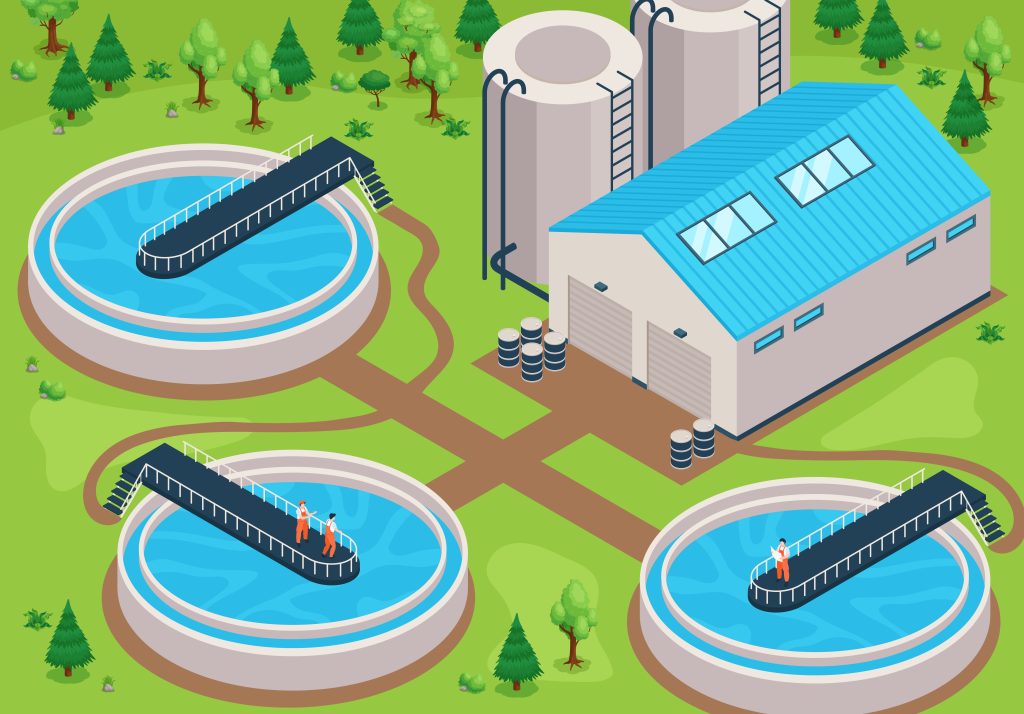
A Sewage Treatment Plant (STP) is a critical system used to treat wastewater before it’s returned to the environment. STPs play an essential role in ensuring that water is safe and clean by removing harmful substances from wastewater. Understanding how it works is key to appreciating why regular maintenance is so important.
- Primary Treatment: This stage involves removing large particles from wastewater through physical processes like screening and sedimentation.
- Secondary Treatment: Biological processes break down organic matter in the wastewater, helping to purify the water further.
- Tertiary Treatment: This advanced stage removes remaining impurities using filtration or chemical treatments, ensuring that the water meets environmental standards.
Each of these stages requires proper care, making maintenance crucial for optimal performance.
Why STP Maintenance Matters
Regular maintenance is more than just routine, it’s critical for protecting the environment, preventing costly problems, and ensuring smooth operation. Here’s why it matters:
- Environmental Protection: Properly maintained STPs prevent untreated wastewater from polluting the environment.
- Cost Control: Early detection of issues reduces the likelihood of major repairs or equipment replacements.
- Regulatory Compliance: Keeping your system in check helps you meet legal requirements and avoid penalties.
- System Longevity: Regular servicing increases the lifespan of your plant and its components.
- Safety and Functionality: Maintenance ensures the system operates safely and effectively, avoiding leaks, backups, or odour problems.
Important Tasks for Maintaining Your STP
Maintaining an STP may seem complex, but with consistent care, it becomes manageable. Here are the primary tasks involved:
- Cleaning & Inspections: Regular cleaning of filters, tanks, and pumps prevents blockages and buildup. Scheduled inspections help detect wear and damage early.
- Monitoring: Track water quality indicators like pH levels, oxygen content, and flow rate. This helps you assess performance and address issues before they grow.
- Sludge Management: Sludge buildup can compromise system performance. Routine removal of excess sludge keeps treatment processes efficient.
- Preventative Maintenance: Proactive care, such as replacing filters and checking moving parts, helps prevent sudden failures and extends system life.
Troubleshooting Common Issues
Even with routine maintenance, there may be times when things don’t go as planned. Here are some common issues you might encounter, and simple tips to troubleshoot:
- Bad Odors:
Odors can arise if the STP’s aeration system or ventilation is not functioning properly. Check for blockages in the air vents or filters and ensure the system is receiving proper airflow. - Slow Processing:
A slow or inefficient treatment process might be caused by a clogged filter or an overworked pump. Ensure that sludge is being removed regularly and that all components are operating at full capacity. - Clogging or Backup:
Regular inspection of the pipes and tanks will help detect clogs before they lead to backups or leaks. Keeping these components clean is vital for smooth operation.
Why Professional Services Are Essential
While DIY maintenance is helpful, professional services take STP maintenance to the next level. Here’s why expert help is crucial:
- Expertise and Knowledge: Professionals bring years of experience and specialized training, allowing them to spot issues early that may not be immediately obvious, potentially saving you from expensive repairs.
- Advanced Tools and Techniques: Professional servicing includes access to specialized tools and equipment that provide more thorough diagnostics and cleaning, which regular DIY methods can’t match.
- Time and Cost Savings: While professional services involve an upfront cost, they help avoid significant repair bills caused by neglected issues, minimize downtime, and keep your system running at optimal efficiency.
- Long-Term System Health: Service providers can set up a preventive maintenance plan that includes regular inspections and upkeep, helping your STP run smoothly for years. They also ensure your system complies with local environmental regulations, reducing the risk of costly fines.
- Peace of Mind: With professionals managing the critical maintenance tasks, you gain peace of mind knowing your STP is in expert hands. They ensure that any issues are handled promptly, keeping your system efficient and compliant with all regulations.
Regulatory Compliance and Legal Protection
Local and national regulations dictate the standards for wastewater treatment, and maintaining your STP according to these laws is critical. Neglecting maintenance can lead to non-compliance, resulting in fines, legal penalties, or environmental harm. Regular servicing ensures that your system meets all legal requirements, so you can avoid the risk of costly violations and keep your system in good standing.
Best Practices for Longevity
To keep your STP working for years to come, here are a few best practices for extending its lifespan:
- Keep a Maintenance Log:
Tracking all inspections, repairs, and cleaning tasks helps ensure that nothing is overlooked. A log also allows you to monitor the system’s performance over time. - Set a Regular Maintenance Schedule:
Scheduling periodic maintenance checks helps avoid emergency repairs. It’s always better to take proactive steps than wait for a breakdown. - Act Quickly on Minor Issues:
If you notice any unusual smells, slow processing, or leaks, address them as soon as possible. Small issues can quickly escalate into more significant, expensive problems.
Conclusion
Proper maintenance is essential to ensuring your Sewage Treatment Plant (STP) operates smoothly and efficiently. By staying on top of regular inspections, cleaning, and repairs, you can prevent costly breakdowns, improve performance, and protect the environment. With professional servicing, like the one offered by WaterMan BD, you can extend the life of your system and ensure it complies with local regulations, giving you peace of mind for years to come.
Don’t wait for issues to disrupt your operations. Schedule your STP maintenance with WaterMan today. Let us keep your system running at its best, ensuring both efficiency and compliance, so you can focus on what matters most. Your system’s longevity and smooth operation are just a call away!