Premium Water Softener Plant – 6000 LPH | Centralized High-Flow Protection
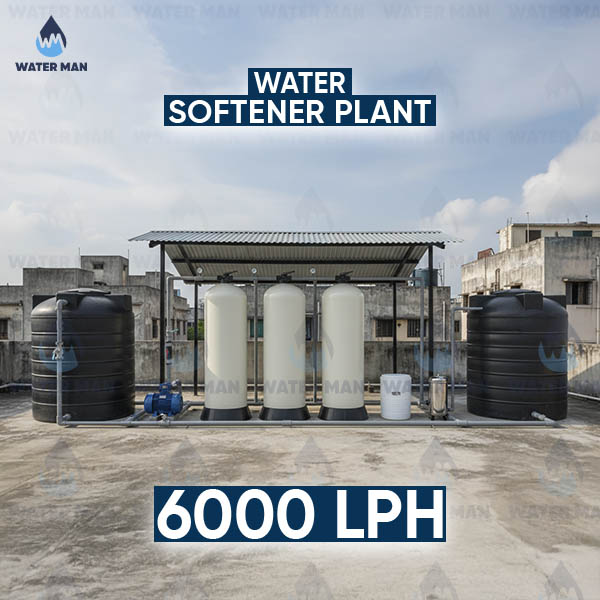
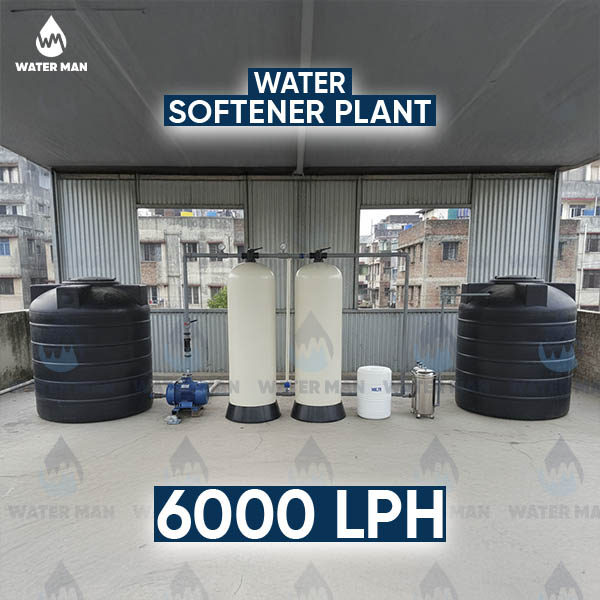
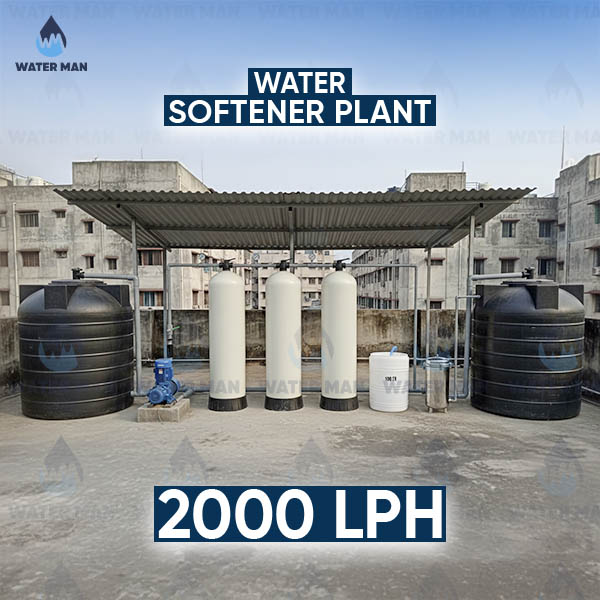
The Water Softener Plant – 6000 LPH is a centralized, high-flow ion-exchange softening system developed for locations where large volumes of hard water are used daily. Engineered around a large 24×72 (2472) Vessel, this system is designed for apartment buildings, housing complexes, and commercial facilities that require a continuous softened water supply. By preventing scale-related damage, this household water purifier and industrial hybrid ensures long-term infrastructure protection.
Why This Softener is a Game-Changer for Your Water
This system utilizes a deep-bed design and a proven ion-exchange process to safeguard high-consumption environments:
-
High-Throughput Softening: Incoming hard water flows through the 2472 Vessel, where calcium and magnesium ions are exchanged for sodium ions to produce softened water.
-
Deep Resin Bed Architecture: The large 24×72 Vessel provides the necessary depth for high-throughput operation, ensuring consistent water quality even at peak demand.
-
Industrial-Grade Resin: Features factory-loaded Strong-acid cation exchange resin (sodium form) for maximum hardness removal.
-
Heavy-Duty Control: Equipped with a manual or automatic Multiport Valve (Multiport Valve) to manage the softening and regeneration cycles efficiently.
-
Large-Capacity Brine System: Includes a heavy-duty brine tank with a float valve and salt grid for consistent resin regeneration using a salt (NaCl) solution.
Investing in a 6000 LPH Softener is a reliable way to manage your water filter cartridge price in Bangladesh by shielding your pipe networks and boilers from heavy scale formation.
Experience the Benefits of Soft Water
-
Infrastructure Safeguarding: Protects long pipe networks, storage tanks, boilers, and multiple appliances from heavy scale buildup.
-
Flow & Pressure Maintenance: Maintains stable water pressure and flow in high-consumption environments by keeping pipes clear of mineral deposits.
-
Enhanced Thermal Efficiency: Extends the life of boilers and heaters while improving the thermal efficiency of hot-water systems.
-
Reduced Operational Costs: Cuts recurring maintenance and descaling costs while reducing detergent and chemical consumption in commercial settings.
-
Versatile Utility Support: Acts as an ideal pre-treatment for large-capacity plants and light industrial utilities sensitive to scaling.
Why Choose WaterMan BD?
WaterMan BD is your leading provider of 100% authentic water treatment technology in Bangladesh. When you choose our 6000 LPH Softener, you receive a system engineered for professional reliability:
-
Guaranteed Authenticity: We use only certified Vessels and high-capacity resins to achieve target hardness reduction based on your water test.
-
Expert Engineering Setup: Our water purifier service team provides site-specific commissioning, operator training, and detailed maintenance guidance.
-
Integrated Solutions: This system can be seamlessly integrated with an Iron Removal Plant to protect the resin from fouling in high-iron areas.
-
Nationwide Priority Delivery: We offer rapid shipping and dedicated on-site technical assistance through our contact page across Bangladesh.
Reviews
There are no reviews yet.