Premium Water Softener Plant 4000 LPH | High-Capacity Centralized Softening
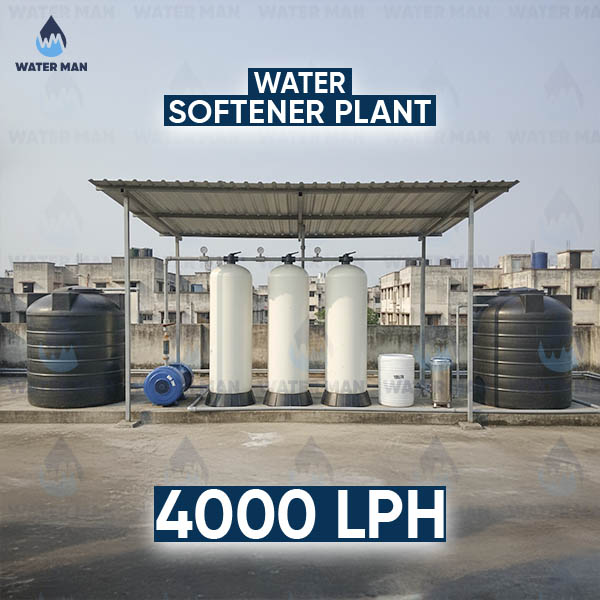
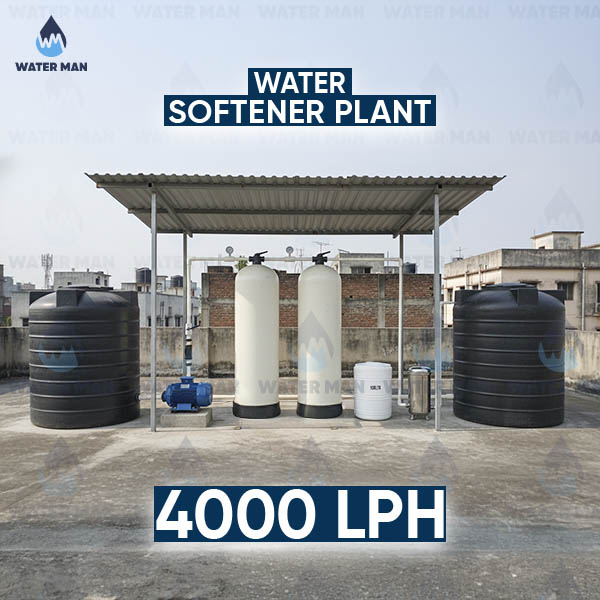
The Water Softener Plant – 4000 LPH is a high-capacity centralized ion-exchange solution designed for large residential complexes, apartment blocks, and light commercial environments. Delivering a powerful flow rate of 4000 Liters Per Hour, this system is engineered to effectively remove hardness-causing minerals, primarily Calcium (Ca²⁺) and Magnesium (Mg²⁺), from borewell, tube-well, and municipal water sources. By protecting your infrastructure from scale, this household water purifier and industrial hybrid ensures consistent system reliability.
Why This Softener is a Game-Changer for Your Water
Built around a heavy-duty 20×72 (2072) Vessel, this system utilizes a scientifically optimized design to ensure superior water quality for your utilities:
-
Advanced Ion Exchange Process: Hard water passes through a deep resin bed where calcium and magnesium ions are exchanged for sodium ions, producing high-quality softened water.
-
Optimized Vessel Design: Features a 2072 Vessel optimized for a deep resin bed, ensuring maximum contact time even in high-demand environments.
-
High-Performance Resin: Utilizes Strong-acid cation exchange resin (sodium form) specifically selected for efficient mineral removal.
-
Flexible Control System: Equipped with a Manual or Automatic Multiport Valve (Multiport Valve) to manage service and regeneration cycles with ease.
-
Complete Brine System: Includes a specifically sized brine tank with a float and salt grid for periodic NaCl brine regeneration, restoring the resin’s softening capacity.
Investing in a 4000 LPH Softener is the most reliable way to manage your water filter cartridge price in Bangladesh by shielding your entire plumbing network from mineral buildup.
Experience the Benefits of Soft Water
-
Zero-Scale Infrastructure: Prevents heavy scale formation in boilers, geysers, and pipelines, extending the service life of your water-using equipment.
-
Improved Cleaning Efficiency: Enhances the performance of soaps and detergents for laundry, dishwashing, and general cleaning, leading to significant chemical savings.
-
Energy & Maintenance Savings: By keeping heating elements scale-free, the system ensures maximum thermal efficiency and reduces long-term operational costs.
-
Essential Pre-Treatment: Acts as a vital protective barrier for downstream units, preventing membrane scaling and premature failure.
-
Commercial Reliability: Ideal for small hotels, salons, laundries, and commercial kitchens where a stable,softened water flow is essential for daily operations.
Why Choose WaterMan BD?
WaterMan BD is your trusted provider of 100% authentic water treatment technology in Bangladesh. When you choose our 4000 LPH Softener, you receive a system built for durability and professional performance:
-
Guaranteed Authenticity: We use only certified Vessels and pre-loaded, high-rejection cation exchange resins for every project.
-
Expert Engineering Setup: Our water purifier service team provides full commissioning, site-specific regeneration scheduling, and basic operator training.
-
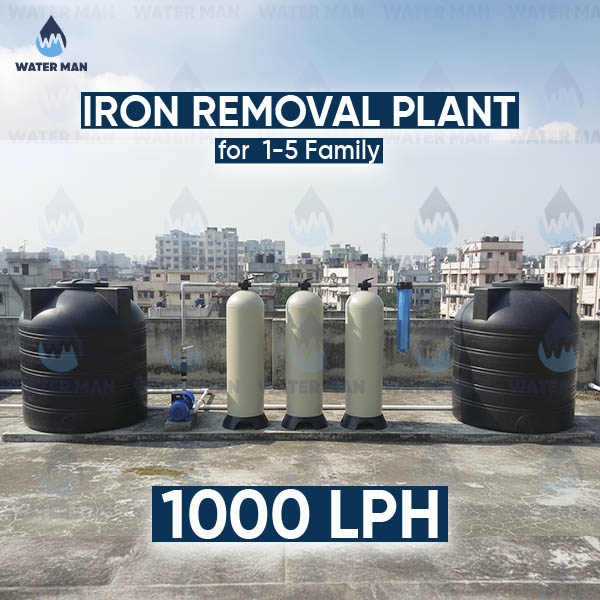
Integrated Solutions: This plant works perfectly alongside our Iron Removal Plant to handle complex groundwater issues like high iron and hardness.
-
Nationwide Priority Delivery: We offer rapid shipping and dedicated on-site technical assistance through our contact page to any location across Bangladesh.
Reviews
There are no reviews yet.