Premium Water Softener Plant 1000 LPH | Ultimate Scale Protection
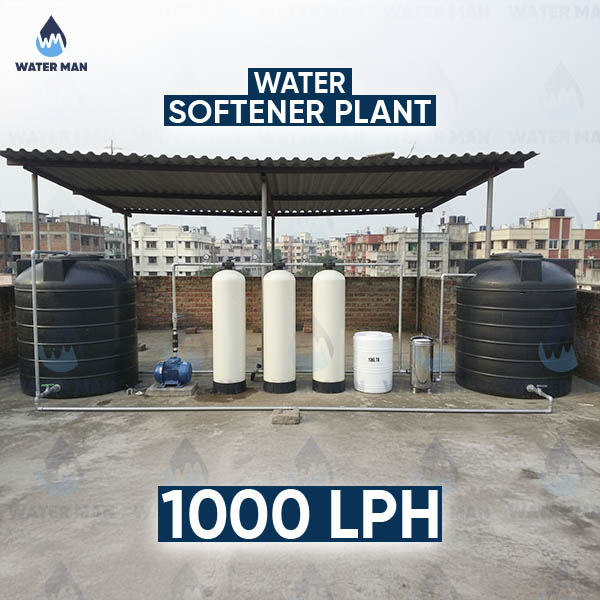
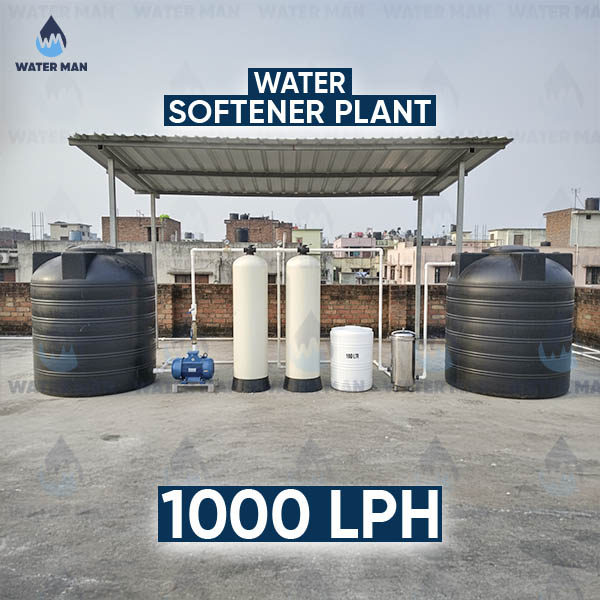
The Water Softener Plant 1000 LPH is a high-performance ion-exchange system designed to eliminate “hard water” by removing the minerals responsible for scale formation. Delivering a steady flow of 10 to 15 liters per minute, this plant is the ultimate solution for protecting industrial boilers, residential plumbing, and commercial laundry systems. By utilizing advanced resin technology, this household water purifier and industrial hybrid ensures your water is chemically optimized for safety and efficiency.
Why This Softener is a Game-Changer for Your Water
This system relies on a proven scientific process to transform hard water into high-quality soft water:
-
Advanced Ion Exchange Process: The system effectively removes Calcium (Ca2+) and Magnesium (Mg2+)ions the primary contributors to total hardness and exchanges them for Sodium (Na+) ions.
-
High-Efficiency Resin Bed: Uses a strong acid Cation exchange resin in sodium form to attract and trap positively charged mineral cations, preventing them from forming scale.
-
Industrial-Grade Construction: Built with a durable Mild Steel (MS) unit featuring a 20-inch diameter and 20-inch height, designed to handle the rigors of industrial environments.
-
Brine Regeneration System: Once the resin is exhausted, it is recharged using a 10% to 15% Brine solution (Sodium Chloride) from the dedicated brine tank, ensuring the system remains at peak performance.
-
Iron Handling Capability: Engineered to manage an input iron contaminate of up to 10 mg/lit, reducing it to a safe output level of less than 0.3 mg/lit.
Investing in a 1000 LPH Softener is the most reliable way to manage your water filter cartridge price in Bangladesh by preventing mineral buildup from clogging your entire filtration network.
Experience the Benefits of Soft Water
-
Zero-Scale Infrastructure: Prevents the buildup of lime scale in pipes and boilers, which can otherwise lead to reduced efficiency, galvanic corrosion, and high repair costs.
-
Significant Energy Savings: By keeping heating elements in geysers and boilers free of calcium buildup, the system ensures maximum heat transfer and lowers utility bills.
-
Improved Chemical Efficiency: Soft water is highly compatible with soaps and detergents, creating more lather and reducing soap consumption in laundries and textile processes.
-
Personal Care & Laundry: Protects residents from skin dryness and hair fall while ensuring clothes stay soft and bright without the stiffening effect of hard minerals.
-
Versatile Applications: This system is essential for Boiler Feed, Cooling Towers, Hospitals, and Textile Processing units where “Industrial Zero Hardness” (less than 5 ppm) is required.
Why Choose WaterMan BD?
WaterMan BD is your trusted provider of 100% authentic water treatment technology in Bangladesh. When you choose our 1000 LPH Softener, you receive a system built for long-term industrial reliability:
-
Guaranteed Authenticity: We use only premium-grade, high-capacity resins and corrosion-resistant components to ensure system longevity.
-
Expert Engineering Setup: Our water purifier service team provides precision installation and backwash calibration tailored to your specific site conditions.
-
Full Support Network: We stock all necessary water treatment plant accessories, including high-quality salt and replacement media.
-
Nationwide Priority Delivery: We provide rapid shipping and dedicated on-site technical assistance through our contact page to any location across Bangladesh.
Reviews
There are no reviews yet.