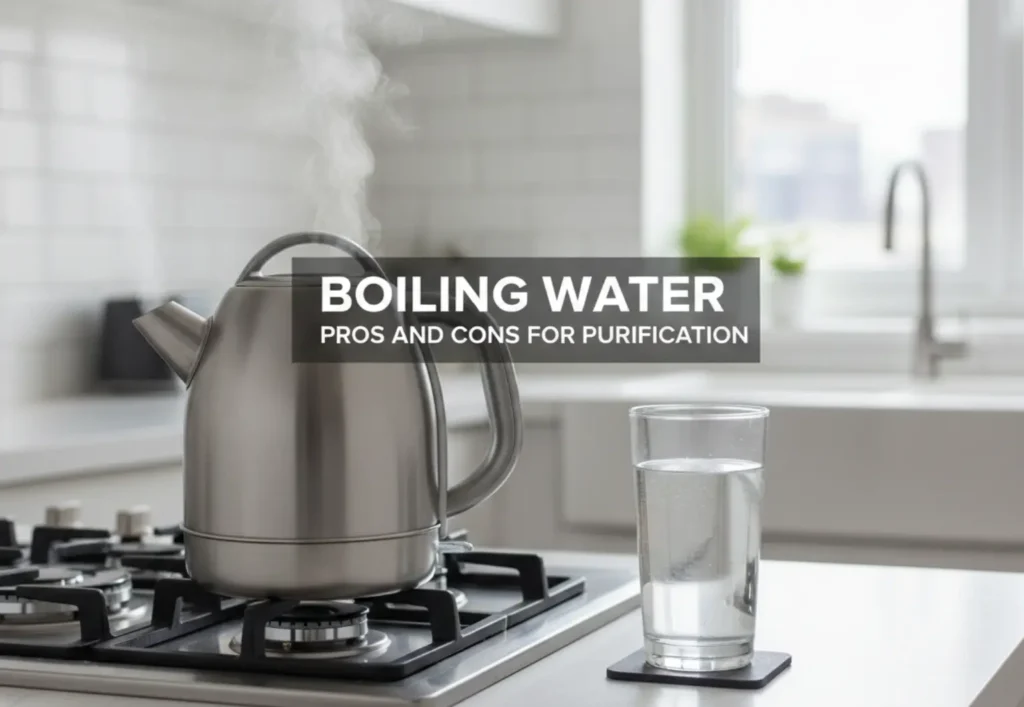
Accessing safe drinking water in Bangladesh is a major challenge, especially in Dhaka where municipal water quality varies due to infrastructure pressures. While boiling water is a trusted disinfection method, understanding its scientific limits is essential for health.
This guide explores the benefits, risks, and practical tips for boiling water effectively. For premium water safety, WaterMan BD offers advanced filtration solutions that protect your family from contaminants that boiling alone cannot remove, ensuring 100% pure water for your home.
How Boiling Water Works for Purification
Boiling water is a thermal disinfection process where water is heated to its boiling point of 100°C or 212°F. When water reaches a vigorous rolling boil, the intense heat effectively kills or inactivates most disease-causing microorganisms. This includes common bacteria, viruses, and parasites that are often found in untreated water sources. By neutralizing these biological threats, boiling serves as a reliable way to make water much safer for drinking and cooking.
The Process of Killing Pathogens Through Boiling
When water reaches its boiling point, several critical processes occur:
- Structural Damage: Intense heat destroys the cellular walls of bacteria and the structural integrity of viruses. This prevents microbes from reproducing or causing infections.
- Sustained Temperature: Maintaining a vigorous rolling boil for at least 1 minute is the standard recommendation to ensure complete disinfection.
- Altitude Adjustments: Because water boils at lower temperatures in high-altitude regions, experts advise extending the boiling time to achieve the same safety level.
While this chemical-free method is highly effective for biological threats, it is not a complete solution for all contaminants.
The Main Benefits of Boiling Drinking Water
Boiling remains one of the most popular water treatment methods for several reasons:
- Maximum Microbial Protection: When performed correctly, boiling reliably eliminates bacteria, viruses, and protozoa. It is a proven defense against most pathogens that cause common waterborne diseases.
- Simple and Accessible: This method requires no specialized equipment or technical expertise. A simple heat source and a clean pot are enough to purify water, making it accessible even when advanced technology is unavailable.
- Critical Emergency Response: Boiling is a primary recommendation during floods or water supply disruptions. These situations occur frequently in Bangladesh, and boiling provides a vital first line of defense for household safety.
- Preserves Natural Purity: Unlike chemical tablets or chlorination, boiling does not introduce artificial tastes or chemical residues into your drinking water.
Limitations & Disadvantages of Boiling
- Fails to Remove Chemicals: Boiling kills germs but cannot remove arsenic, lead, or pesticides. In fact, boiling can concentrate these toxins as the water evaporates.
- High Monthly Costs: Boiling water daily for a family significantly increases your gas or electricity bills. In Dhaka, these utility costs add up to more than the price of an RO water purifier over time.
- Risk of Re-contamination: Once boiled water cools, it is easily contaminated again by dust, unclean containers, or handling.
- No Physical Filtration: It doesn’t remove mud, sand, or sediments. Your water might be “disinfected” but will still look cloudy and taste metallic.
- Poor Taste: Boiling removes dissolved oxygen, leaving the water tasting “flat” and unrefreshing compared to filtered water.
The Reality of Water Safety in Bangladesh
In a megacity like Dhaka, even water that is treated at the source often becomes contaminated before it reaches your home. Aging distribution networks, damaged underground pipes, and illegal suction pumps frequently allow sewage and industrial waste to leak into the municipal supply. While a significant number of households rely on boiling to kill bacteria like E. coli, this traditional method cannot address the more hidden, chemical dangers lurking in our water.
Beyond biological threats, many regions in Bangladesh face a silent crisis of groundwater contamination. Harmful elements such as arsenic, manganese, and lead are prevalent in both tube wells and tap water, and boiling can actually make these toxins more dangerous by concentrating them. To ensure your family is protected from both germs and industrial chemicals, many residents are now upgrading to a high-quality RO water purifier that provides 100% pure, safe drinking water at the touch of a button.
Best Practices for Boiling Water at Home
- Use Clean Vessels: Use sanitized pots with tight lids and boil only what you need to save on energy costs.
- Pre-Filter Turbid Water: Settle or filter muddy water through a cloth before boiling. For better results, you may require a professional water purification service.
- Maintain a Rolling Boil: Ensure the water reaches a full rolling boil for at least 1 minute to kill all pathogens.
- Safe Cooling: Let the water cool in a clean, covered container to prevent dust from entering.
- Prevent Re-contamination: Avoid touching the water or using unclean jugs. For 100% sealed safety, many prefer an RO water purifier.
When Boiling Isn’t Enough: Better Alternatives
While boiling is effective against pathogens, it is not a complete solution for the chemical and industrial pollutants common in Bangladesh. You should consider more advanced methods if your water source contains high arsenic levels or heavy metals:
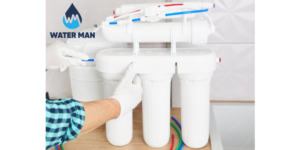
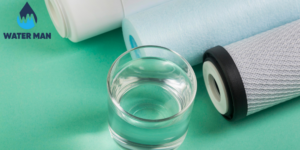
- Advanced Household Filters: Systems using RO membranes or activated carbon are essential for removing chemicals that boiling cannot touch.
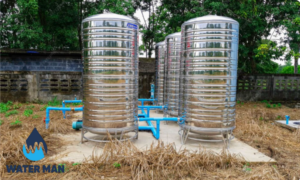
- Community-Level Treatment: Large-scale plants can provide safer water for entire neighborhoods, reducing the need for individual boiling.
- Rainwater Harvesting: A sustainable alternative, provided it is collected and stored in properly sanitized systems.
- Reliable Purification Systems: For 100% peace of mind against both germs and chemicals, many Dhaka residents are now choosing an RO water purifier.
In many parts of Bangladesh, communities are moving away from traditional boiling toward professional water purification services. This shift ensures protection against a broader range of contaminants while saving households significant time and energy costs.
Don’t Settle for Partial Protection
Boiling is a reliable tradition for killing germs, but in the complex water landscape of Bangladesh, it is no longer a complete solution. To protect your family from the invisible threats of arsenic, lead, and industrial waste that boiling simply cannot touch, you need a modern approach.
Stop boiling and start purifying. For 100% sealed protection and crystal-clear water without the gas bills, explore our range of advanced RO water purifiers or book a professional water test with WaterMan BD today.