In Bangladesh, many industries use groundwater from deep tube wells or borewells for their daily operations. But this water often contains a high level of iron, which may not be visible at first. But causes serious problems over time.
Excess iron in water can stain equipment, reduce product quality, and damage important machinery. It also creates a metallic taste and unpleasant smell, especially in food or healthcare-related industries.
To solve these problems, industries are turning to the Iron Removal Plant. A key part of any Water Treatment Plant. Whether it’s a factory, hospital, or real estate project, having clean, iron-free water is essential for smooth and safe operations.
In this blog, we’ll look at how different industries benefit from using Iron Removal Plants in Bangladesh, especially in areas like Dhaka where groundwater treatment is critical.
What Is an Iron Removal Plant?
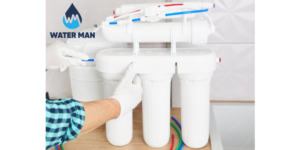
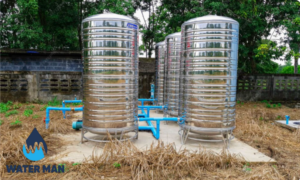
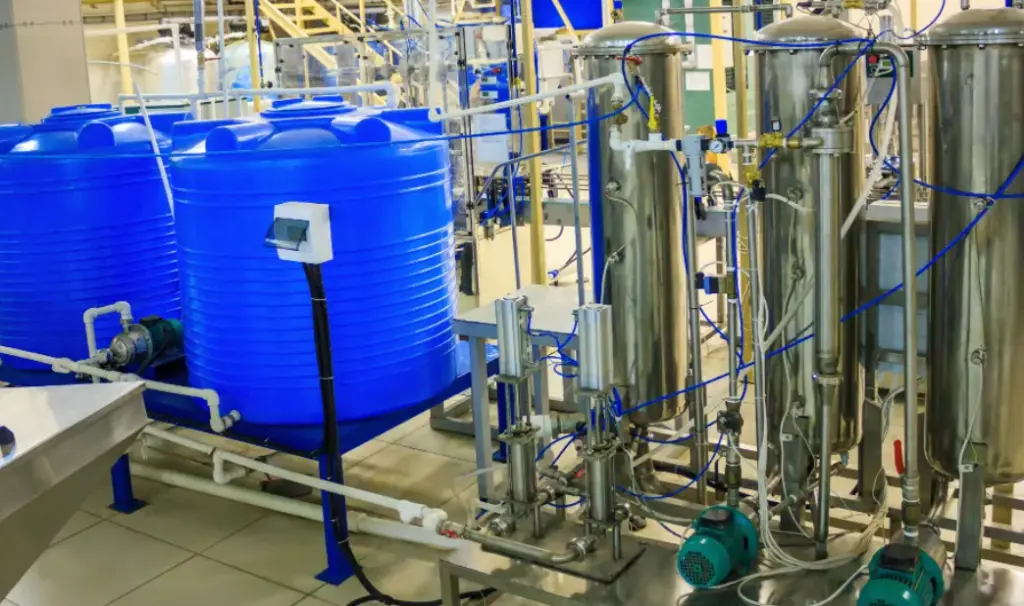
An Iron Removal Plant is a water filtration system designed to eliminate dissolved iron and other contaminants from groundwater. These systems use methods such as oxidation, filtration, aeration, and chemical dosing to separate iron particles from water.
Iron contamination is especially problematic in commercial water systems, where untreated water affects equipment performance, increases maintenance needs, and leads to product rejections. That’s why many facilities treat their water using a combination of Iron Removal Treatment Plants in Dhaka, periodic servicing of industrial water filtration units, and essential water treatment plant accessories like filter media, valves, and pressure gauges.
Why Do Industries in Bangladesh Need Iron Removal?
Industries that depend on borewell water are vulnerable to iron-related issues. When iron content exceeds acceptable limits, it begins to affect:
- Equipment lifespan: Iron deposits form inside boilers, pipelines, and machinery, leading to clogging and corrosion.
- Product quality: In sectors like textile and pharmaceuticals, iron in water leads to discoloration, product instability, and failed batches.
- Water safety: Iron-rich water can taste metallic, look cloudy, and develop an unpleasant odor. Making it unsuitable for food and beverage use.
- Compliance: Many export-oriented sectors must meet international water purity standards.
Installing an Iron Removal Plant resolves these issues and ensures the water meets industrial requirements.
How Key Industries Benefit from Iron Removal Plants
1. Textile and Dyeing
Textile production is highly sensitive to water quality. In dyeing processes, iron can interfere with dye absorption, resulting in patchy or uneven fabric colors. Manufacturers in Gazipur, Narayanganj, and Savar report that iron-contaminated water causes:
- Dye blotching and fabric rejection
- Reduced colorfastness
- Frequent washing machine scaling
With an Iron Removal Plant, textile industries gain access to clean process water, improving color consistency and reducing batch failure.
2. Food and Beverage Industry
Food processors, beverage manufacturers, and bottling plants must adhere to strict hygiene and safety guidelines. Iron contamination in water can:
- Change the taste and clarity of juices and soft drinks
- Reduce shelf life by encouraging microbial growth
- Violate BSTI standards for bottled products
Using a Water Treatment Plant that includes iron removal ensures clean, safe water for mixing, rinsing, and processing. Resulting in better product quality and customer satisfaction.
3. Pharmaceuticals and Cosmetics
These industries demand ultra-pure water for formulation and production. Even trace levels of iron can:
- React with active pharmaceutical ingredients (APIs)
- Alter color, texture, or stability of creams, syrups, and solutions
- Lead to compliance issues and export rejection
Many pharma companies in Dhaka now rely on a dedicated Iron Removal Treatment Plant in Dhaka as part of their in-house industrial water filtration setup to prevent contamination during production.
4. Hospitals and Diagnostic Centers
Hospitals need clean water for sterilization, cleaning, and medical equipment. Iron in water can:
- Block autoclaves and sterilizers
- Cause rust deposits in pipes and tools
- Affect accuracy of lab results
With an Iron Removal Plant, hospitals ensure operational efficiency, patient safety, and extended lifespan of diagnostic machines.
5. Boiler-Based Industries
Industries that use steam boilers like garments, tanneries, and food processors are especially sensitive to iron in feedwater. Iron causes:
- Scaling inside boiler tubes
- Reduced heat exchange efficiency
- Increased fuel consumption and breakdowns
Incorporating iron removal into the Water Treatment Plant allows these industries to operate without interruption and avoid expensive repairs.
6. Commercial Laundries
Large-scale laundries used by hotels, hospitals, and garment exporters often face issues like:
- Rust stains on white fabrics
- Unpleasant water odor
- Premature fabric wear and customer complaints
An Iron Removal Plant, combined with the right water treatment plant accessories, helps deliver consistently clean, clear water that protects fabric quality and brand reputation.
7. Poultry and Agriculture
Farmers use groundwater for poultry sheds, irrigation, and aquaculture. But when this water is rich in iron, it leads to:
- Clogged irrigation lines and drinkers
- Reduced water intake by animals
- Soil staining and crop damage
Filtering groundwater through an Iron Removal Plant improves both livestock health and crop productivity, particularly in semi-urban areas where groundwater is the main source.
8. Hotels and Real Estate Projects
New buildings, hotels, and commercial complexes that use untreated borewell water often face tenant complaints due to:
- Stained sinks, taps, and toilets
- Discoloration in stored water tanks
- Poor water taste and odor
By installing a central Iron Removal Treatment Plant in Dhaka, real estate developers improve water aesthetics and maintain customer satisfaction in competitive housing markets.
Long-Term Advantages of Iron Removal Systems
Adding an Iron Removal Plant to your Water Treatment Plant setup isn’t just about today’s performance. It protects long-term growth. Benefits include:
- Improved product quality and fewer rejects
- Reduced maintenance and operational downtime
- Longer lifespan for water-dependent equipment
- Consistent compliance with health and safety standards
- Better brand image in local and export markets
Pairing the plant with the right water treatment plant accessories like sediment filters, activated carbon, and dosing systems ensures smooth operation and scalability.
Final Thought
Iron in water might go unnoticed at first. But over time, it damages equipment, ruins products, and increases costs. In Dhaka and across Bangladesh, industries are already feeling the effects: stained fabrics, blocked pipelines, boiler breakdowns, and quality issues in food and medicine.
A well-functioning Iron Removal Plant isn’t just helpful, it’s essential. It protects your operations, improves product quality, and ensures clean water for every part of your process. Whether you’re running a factory, hospital, or commercial project, clean water keeps everything running smoothly.
WaterMan BD delivers effective iron removal solutions that industries in Dhaka and across Bangladesh count on to keep their water clean and operations moving forward.