In many parts of Bangladesh, especially rural and peri-urban areas, groundwater is the main source of household water. Tube wells and borewells are widely used due to their convenience and low cost. However, these sources often come with a downside, iron contamination.
Iron in groundwater can cause visible stains, unpleasant taste, and long-term wear on plumbing and appliances. That’s where an iron removal plant becomes essential. It offers a practical solution to ensure your household water is cleaner, safer, and more suitable for everyday use.
What Is an Iron Removal Plant?
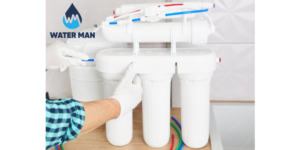
An iron removal plant is a water filtration system specifically designed to remove excess iron from water. It works by oxidizing dissolved iron particles and then trapping them through filtration media. The result is clearer, better-smelling, and more usable water.
Key components of an iron removal plant include:
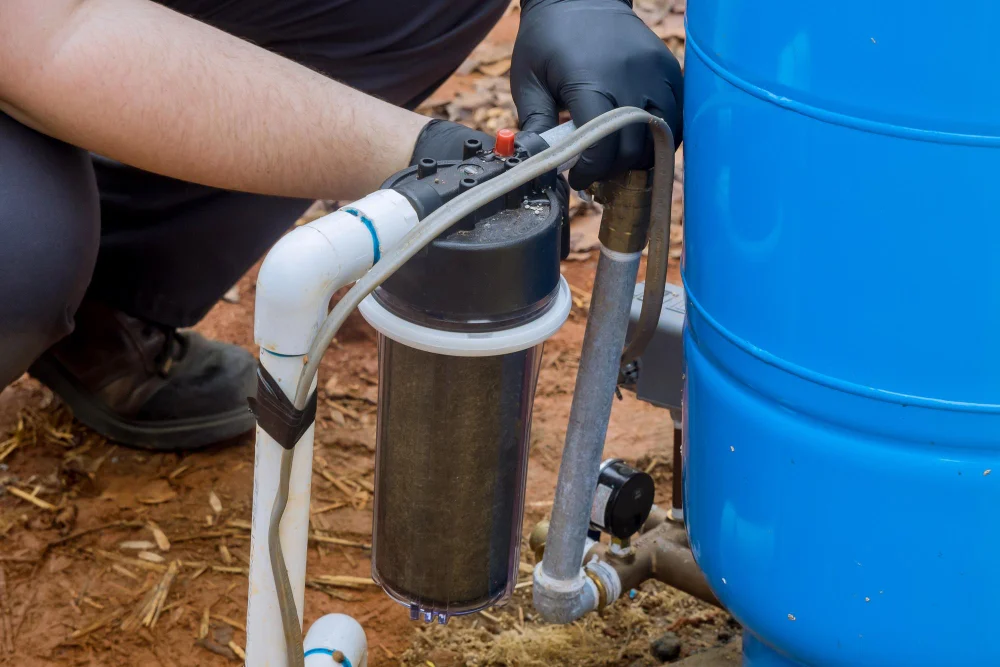
- Media Filter: A specialized filter that traps oxidized iron particles.
- Oxidizing Unit: Often uses air, chlorine, or potassium permanganate to convert dissolved iron into solid form.
- Backwash System: Cleans the filter media by reversing water flow and removing trapped particles.
Common setups for homes in Bangladesh:
- Systems connected before the overhead water tank
- Pre-storage filtration units for tube well water
- Units combined with sediment filters for broader filtration
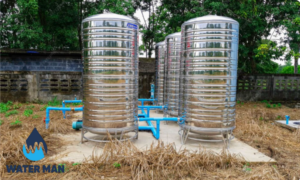
These systems are usually installed near the water source, either in a pump room or next to the storage tank.
Signs You May Have Iron in Your Water
Iron contamination in household water isn’t always immediately visible, but over time, it leaves several clues. If you notice any of the following, it’s worth getting your water tested:
- Reddish-brown stains on tiles, basins, and bathroom fittings
- Metallic or bitter taste in drinking water
- Orange or brown discoloration in water storage tanks or containers
- Clogged pipes and noticeably reduced water pressure or flow
These are all signs that your water might have a high level of dissolved or precipitated iron.
Top Benefits of Installing an Iron Removal Plant at Home
An iron removal plant is not just for clean water. It protects your health, home appliances, and plumbing system from long-term damage.
1. Cleaner and Safer Water for Daily Use
With an iron removal system in place, your water becomes clearer, better-tasting, and free from unpleasant odours. It also helps:
- Prevent stubborn rust stains on clothes, kitchen utensils, and bathroom surfaces
- Improve the overall usability of water for cooking, bathing, and cleaning
2. Better Health Protection
While iron is a necessary mineral in small quantities, high levels in drinking water aren’t ideal. Long-term consumption of iron-laden water may lead to gastrointestinal discomfort, especially for sensitive individuals.
- An iron-free supply is especially important for children, elderly family members, and those with health concerns
- Reduces risk of waterborne iron-related issues such as bacterial growth on iron deposits
3. Prolongs the Life of Appliances
Iron deposits inside appliances like water heaters, washing machines, and dishwashers can reduce performance and cause early breakdown.
- Prevents scale buildup
- Keeps machines running efficiently for longer periods
4. Protects Your Plumbing System
Iron sediment can accumulate inside the pipes, causing rust and corrosion that restrict water flow.
- Installing a removal plant helps prevent pipe damage
- Reduces the chance of blockages, leaks, and eventual pipe replacement
5. Reduces Maintenance Costs
Without constant iron stains, households spend less time and money on cleaning and repairs.
- Less need for frequent tile and basin scrubbing
- Minimizes wear and tear on existing water filters
Why This Is Especially Important in Bangladesh
The issue of iron contamination is particularly widespread across Bangladesh due to the geology of the groundwater table.
- In rural and semi-urban areas, tube wells often show high levels of iron
- Many households rely solely on well water, with limited access to municipal supplies
- As people become more aware of water-related health and hygiene issues, there’s growing demand for practical, long-term filtration solutions
An iron removal plant directly addresses these challenges and improves the day-to-day quality of life in these settings.
Installation and Maintenance: What to Expect
Installing and maintaining an iron removal plant is simple, ensuring long-term performance and efficient operation with minimal effort.
Where is it installed?
In most homes, the iron removal plant is placed before the storage tank, either just after the water pump or in a designated pump room. This ensures all stored water is already treated.
Basic maintenance includes:
- Backwashing the system to clean the media filter (usually every few days)
- Media replacement, typically once a year depending on water quality
- Regular checks to ensure the system is functioning properly
Timely servicing is important to maintain performance and prevent clogging or system damage. Many local providers offer maintenance services at affordable rates.
Final Thought
Installing an iron removal plant at home is a smart step toward ensuring cleaner, safer water for everyday use. It helps protect your appliances and plumbing, reduces stains and maintenance, and improves the overall quality of life.
If you’re noticing rust stains, metallic taste, or discolored water, it’s a good idea to test your water for iron. Taking action early can prevent long-term issues and health risks, especially in areas where tube wells and borewells are the primary water source.
With rising concerns over water quality in Bangladesh, more households are turning to dedicated solutions for long-term protection. WaterMan BD offers iron removal plant services tailored to local water conditions, helping you maintain a reliable and cleaner household water system across both urban and rural settings.