Across many homes in Bangladesh, people turn on taps each day, unsure of what flows out. The water may seem clear, but it often holds more than expected. Chemicals like chlorine, odd smells, a sharp taste, or even traces of harmful matter. In busy cities like Dhaka, these issues are common.
Some try boiling water. Others rely on bottled water or basic filters. But one method has quietly earned trust, activated carbon filters. These filters use a special kind of carbon packed with tiny holes, ready to trap unwanted stuff from the water. They help remove chemicals and improve taste, making each sip feel clean and safe.
From kitchens to offices and more, this simple filter now plays a big part in helping people across Bangladesh drink better water, day by day.
What Is Activated Carbon?
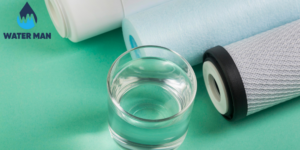
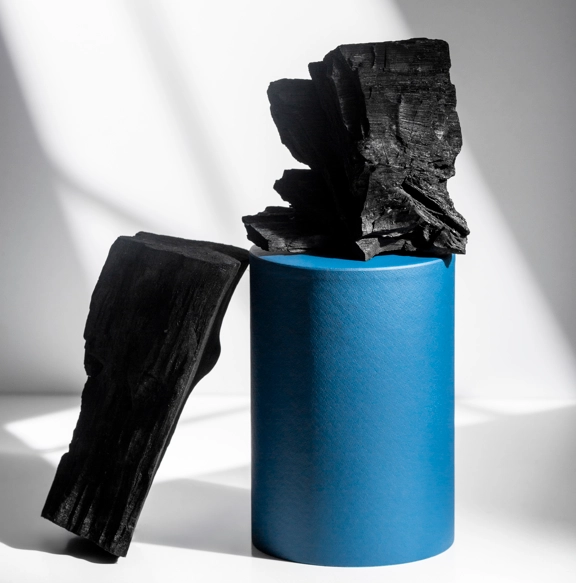
Activated carbon is a processed form of carbon, made from natural materials like coconut shells or wood. Through a high-heat treatment known as activation, the carbon develops millions of tiny pores.
These microscopic pores dramatically increase surface area. Allowing one gram of activated carbon to cover up to 1,000 square meters. That’s what makes it so effective: the more surface area, the more contaminants it can hold.
How It Works: The Science of Adsorption
Activated carbon doesn’t absorb, it adsorbs. That means instead of soaking up substances, it pulls and holds molecules onto its surface.
As water flows through the filter, chemical contaminants like chlorine, pesticides, solvents, and organic compounds attach to the carbon’s porous surface. The result is water that tastes fresher, smells better, and contains fewer harmful substances.
What Activated Carbon Can Remove
Activated carbon filters are especially good at removing:
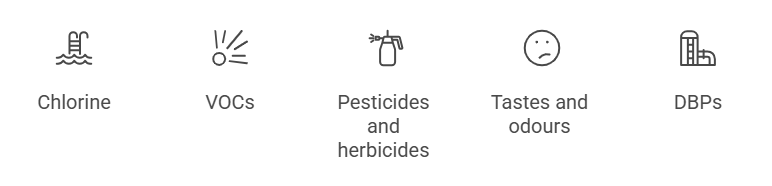
- Chlorine – responsible for the chemical smell in treated water
- Volatile Organic Compounds (VOCs) – including industrial chemicals and solvents
- Pesticides and herbicides – often found in agricultural regions
- Tastes and odours – including mustiness or metallic notes
- Some disinfection by-products (DBPs) – like trihalomethanes (THMs)
This makes them ideal for treating municipal water or moderately contaminated supply water that contains chemical pollutants but is already biologically safe.
What It Doesn’t Remove
Activated carbon filters are not designed to eliminate:
- Heavy metals like arsenic or lead
- Microorganisms (bacteria, viruses, parasites)
- Hardness minerals (calcium, magnesium)
- Total Dissolved Solids (TDS)
In areas of Bangladesh where groundwater contains high levels of arsenic or biological contamination, activated carbon should be used alongside other filtration methods. Such as reverse osmosis (RO) or UV purification, for full protection.
Benefits of Activated Carbon Filters You’ll Notice
People across Bangladesh use activated carbon filters for good reason:
- Better taste and smell: Eliminates the chemical odour and metallic taste often found in city water.
- Healthier water: Reduces exposure to harmful chemical compounds.
- Affordable solution: Low maintenance and suitable for regular use in households and businesses.
- Eco-conscious option: Reduces dependence on bottled water, helping cut plastic waste.
- Easy to integrate: Works with pitcher filters, under-sink units, wall-mounted purifiers, and industrial systems.
Where Activated Carbon Filters Are Used
These filters are everywhere, you just may not realize it:
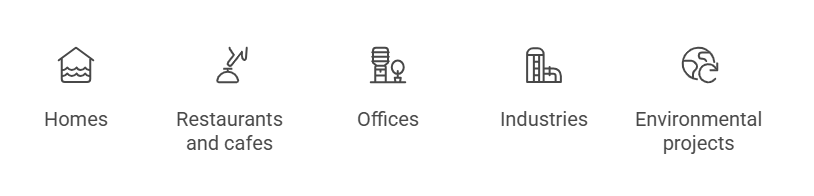
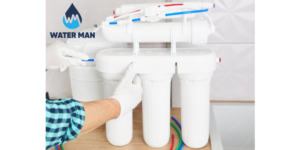
- In homes – as part of drinking water purifiers, faucet attachments, or pitchers.
- In restaurants and cafes – to ensure water used for cooking and service is fresh.
- In offices – for employee hydration and pantry uses.
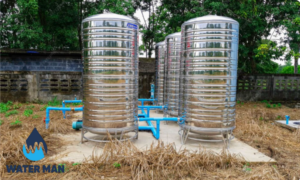
- In industries – for treating process water, wastewater, or chemicals.
- In environmental projects – for cleaning contaminated groundwater or runoff.
Their versatility and low maintenance make them suitable for both personal and professional use.
Knowing When to Replace Your Filter
Like any filter, activated carbon loses effectiveness over time. When the pores fill up, it stops adsorbing contaminants, even if the water still looks clear.
Here are signs it needs changing:
- Water starts to taste or smell strange again
- The filter’s flow rate slows down noticeably
- Discoloration or sediment appears in your filtered water
- You’ve reached the recommended usage limit (often 3–6 months)
Following the manufacturer’s filter replacement schedule is key. Overused filters can actually release trapped contaminants back into your water.
Final Thought: A Reliable Choice for Bangladesh
Across Bangladesh, water often carries more than just minerals, chemical smells, chlorine, and unwanted compounds are common in both urban and rural supplies. Activated carbon filters offer a simple and effective way to improve that water, especially by reducing unpleasant taste, odour, and chemical residues.
They work well on their own or as part of a purifier system, making them suitable for homes, offices, and industrial setups. But to get the most out of them, it’s important to use the right filter and maintain it properly.
WaterMan BD supports that process with practical services. From consultation and water filter installation to routine servicing, making it easier to keep your water clean. For setups that need more than just basic filtration, our Pure Water Package combines multiple stages, including activated carbon, to address a wider range of water concerns.
In the end, cleaner water isn’t just about removing what you can see. It’s about reducing what you can’t. And activated carbon filters are a reliable step toward better-tasting, safer water for everyday use.