When you drink water, you probably don’t think about everything that’s in it. But the quality of your water is important, and one key factor in water quality is TDS or Total Dissolved Solids. Let’s talk about what TDS is, why it matters, and how regular filter checks can help keep your water clean and healthy.
What is TDS in Drinking Water?
TDS stands for Total Dissolved Solids. TDS in drinking water means the sum of all the tiny particles that are dissolved in your water. These particles can be minerals, salts, metals, and other substances. Some of these are good for you, but others can affect the taste and safety of your drinking water.
TDS is measured in milligrams per liter (mg/L) or parts per million (ppm). The higher the TDS, the more dissolved solids there are in your water.
Why Does TDS Matter?
TDS affects both the taste and safety of your drinking water. When TDS levels are too high, it can lead to unpleasant flavors and potential health risks.
- TDS and Taste: High TDS levels can cause your water to taste bitter, salty, or metallic. These unwanted tastes come from dissolved solids like sodium, sulfates, or chlorides.
- TDS and Health: Some minerals, like calcium and magnesium, are good for your health and can be beneficial. However, high levels of TDS can also mean the presence of harmful substances like lead, arsenic, and nitrates, which can affect your health over time. According to health experts, drinking water with very high TDS (over 500 mg/L) can lead to health problems.
What’s the Ideal TDS Level?
In general, TDS levels between 50 mg/L to 150 mg/L are considered ideal for drinking water. Water within this range typically tastes fresh and clean, and it contains beneficial minerals.
How Can Regular Filter Checks Help?
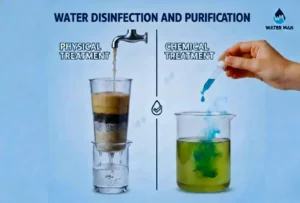
Your water filter plays a huge role in making sure your water is clean and safe to drink. Even if your water looks clear and tastes fine, the filter can still become clogged or lose its effectiveness over time. That’s why regular maintenance is so important.
Why Filters Lose Their Effectiveness
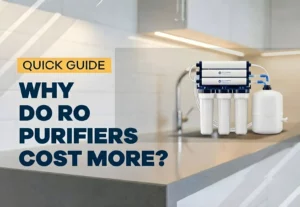
Filters can become clogged with the very contaminants they’re meant to remove. Over time, filters such as carbon filters or reverse osmosis membranes can get filled with dirt, bacteria, or chemicals. If not maintained or replaced, they can’t do their job properly, and your water quality can drop.
How Often Should You Check Your Filters?
To keep your water pure, it’s important to check your filters regularly.
- Every 3 to 6 Months: Regular checks help you see if your filters are still working well. Filters can get clogged with particles, so cleaning or replacing them on time will keep your system running smoothly.
- Every 9 to 12 Months: At least once a year, you should do a thorough check-up and replace key parts like pre-filters, carbon filters, and RO membranes. These parts wear out the fastest and are essential to keeping your water clean.
What Happens if You Don’t Maintain Your Filters?
If you neglect filter maintenance, your drinking water may start to lose its purity, and here’s why:
- Reduced Filtration Efficiency: Over time, filters can’t remove contaminants as effectively. A clogged filter may not trap harmful substances like lead, chlorine, or pesticides, which can enter your drinking water.
- Bad Taste and Odor: Without proper maintenance, your filters won’t remove bad odors or tastes from the water. You might start to notice a chlorine-like smell or an earthy taste, which means your filter isn’t working as it should.
- Higher Health Risks: If your filters aren’t replaced when needed, you could be drinking water that contains harmful substances that should have been filtered out. Over time, this can increase your risk of health problems.
Understanding TDS Levels and Their Impact on Water Quality: A Simple Guide
Total Dissolved Solids (TDS) levels play a crucial role in determining the quality of your water. This guide helps explain how different TDS levels can affect your water’s taste, safety, and the need for filter maintenance.
TDS Levels and Water Quality Breakdown
TDS Level (mg/L) | Water Quality (Scale: 1-10) | What It Means for Your Water | Action Needed |
0 – 50 | 9 | Excellent water quality, clean and refreshing | No action needed |
51 – 100 | 8 | Good quality, still safe and tastes fresh | Routine filter check recommended |
101 – 150 | 7 | Water still safe but may have slight taste changes | Clean or check filters periodically |
151 – 200 | 6 | Noticeable taste changes; water is still drinkable | Consider filter maintenance |
201 – 300 | 5 | Taste affected, may have more impurities | Clean or replace filters |
301+ | 3 | Water quality compromised; may contain harmful substances | Urgent filter replacement needed |
Key Insights:
- Low TDS Levels (0 – 100 mg/L): The water is clean and tastes fresh, requiring minimal maintenance. It’s ideal for drinking and doesn’t need frequent intervention.
- Moderate TDS Levels (100 – 200 mg/L): The water is still safe to drink but may have noticeable taste changes. Filter maintenance is recommended to maintain optimal water quality.
- High TDS Levels (200+ mg/L): The water quality significantly declines, affecting taste and potentially containing harmful substances. Regular filter replacement or maintenance is needed to ensure the drinking water is safe to consume.
Understanding TDS levels is key to maintaining clean, safe, and fresh drinking water. Regular monitoring and timely filter maintenance ensure that your filtration system continues to provide you with high-quality water every day
Why You Should Care About Regular Filter Checks
- Healthier Water: Regular filter checks and maintenance ensure your water stays free from harmful chemicals and bacteria, protecting your health in the long run.
- Better Taste: Clean filters remove bad smells and tastes, leaving your water tasting fresh and clean.
- Cost-Effective: Maintaining your filters can save you money in the long run by preventing costly repairs or replacements. Well-maintained filters last longer, so you won’t need to replace them as often.
- Peace of Mind: Knowing that your water is clean, fresh, and safe gives you peace of mind every time you drink it. You’ll be confident that your family is drinking the healthiest water possible.
How WaterMan BD Can Help You
At WaterMan BD, we make it easy for you to maintain clean and healthy drinking water. We offer water testing services to check your TDS levels and assess the quality of your water. We also provide water purifier replacement and maintenance services to ensure your filtration system is always working at its best.
In addition to our expert services, WaterMan BD offers a wide range of products, including household water purifiers and commercial water purifiers, as well as water filter accessories. With our products and services combined, you can enjoy peace of mind knowing that your water is pure, safe, and great-tasting.
Regular maintenance and the right filtration solutions m ean healthier, better-tasting water for you and your family. Let us help you keep your water clean and fresh every day!